
Understanding Comprehensive Mental Health Care: A Path to Healing and Growth
- BRC • • • • • • • • • •
- Jan 1
- 4 min read
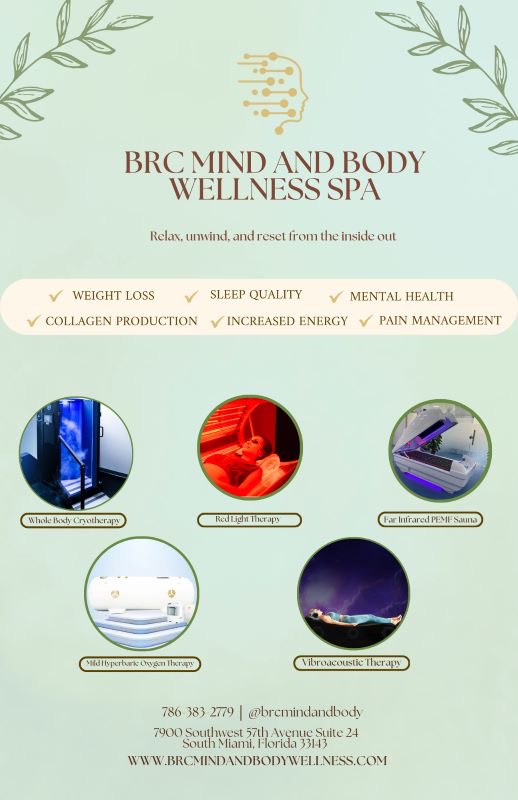
Mental health is a vital part of our overall well-being. When we face challenges like anxiety, depression, trauma, or major life transitions, it can feel overwhelming. However, understanding the full scope of comprehensive mental health care can provide clarity and hope. It offers a way to navigate these difficulties with support tailored to your unique needs. In this post, I will walk you through what comprehensive mental health care means, the types of mental health conditions, and practical steps you can take toward healing.
What Does Comprehensive Mental Health Care Mean?
Comprehensive mental health care is more than just addressing symptoms. It involves a holistic approach that considers emotional, psychological, and social factors. This type of care integrates various services and supports to help individuals achieve lasting wellness.
For example, comprehensive care might include therapy, medication management, community support, and lifestyle changes. It recognizes that mental health is complex and that healing often requires multiple strategies working together.
At its core, comprehensive mental health care is about meeting you where you are. It respects your experiences and empowers you to take an active role in your recovery. This approach can be especially helpful for those dealing with anxiety, depression, or trauma, as it offers a range of tools and resources to manage symptoms and improve quality of life.

Key Components of Comprehensive Mental Health Care
To better understand how comprehensive mental health care works, let's break down its main components:
Assessment and Diagnosis
A thorough evaluation by a mental health professional helps identify specific challenges and needs. This step is crucial for creating an effective treatment plan.
Therapeutic Interventions
Therapy can take many forms, such as cognitive-behavioral therapy (CBT), dialectical behavior therapy (DBT), or trauma-focused therapy. These approaches help you develop coping skills and process difficult emotions.
Medication Management
For some, medication can be an important part of treatment. Psychiatrists or primary care providers can prescribe and monitor medications to support mental health.
Support Services
Peer support groups, case management, and community resources provide additional layers of assistance. These services help build social connections and practical skills.
Crisis Intervention
Immediate support during a mental health crisis ensures safety and stabilization. Crisis teams and hotlines are often part of comprehensive care.
Wellness and Lifestyle Support
Encouraging healthy habits like exercise, nutrition, and mindfulness can enhance mental health and resilience.
Family and Caregiver Involvement
Including loved ones in the care process can improve understanding and support systems.
By combining these elements, comprehensive mental health care addresses the whole person, not just the symptoms.
What are the 7 Types of Mental Health?
Understanding the different types of mental health conditions can help you recognize what you or someone you care about might be experiencing. Here are seven common types:
Anxiety Disorders
These include generalized anxiety disorder, panic disorder, and phobias. Symptoms often involve excessive worry, restlessness, and physical signs like a racing heart.
Mood Disorders
Depression and bipolar disorder fall into this category. They affect emotional states, causing prolonged sadness or extreme mood swings.
Trauma-Related Disorders
Post-traumatic stress disorder (PTSD) and acute stress disorder result from experiencing or witnessing traumatic events.
Obsessive-Compulsive and Related Disorders
These involve unwanted repetitive thoughts and behaviors, such as in OCD.
Psychotic Disorders
Conditions like schizophrenia cause disruptions in thinking, perception, and behavior.
Eating Disorders
Anorexia, bulimia, and binge-eating disorder affect eating habits and body image.
Personality Disorders
These involve enduring patterns of behavior and inner experience that differ significantly from cultural expectations.
Recognizing these types can guide you toward the right kind of support and treatment.

How to Access and Benefit from Comprehensive Mental Health Care
Taking the first step toward mental health care can feel daunting, but there are practical ways to make the process smoother:
Start with a Trusted Provider
Look for licensed therapists, counselors, or psychiatrists who specialize in your area of concern. Many clinics offer initial consultations to discuss your needs.
Use Available Resources
Community centers, online platforms, and support groups can provide valuable information and connection.
Be Open About Your Experience
Sharing your feelings and symptoms honestly helps professionals tailor care to you.
Set Realistic Goals
Recovery is a journey. Setting small, achievable goals can build confidence and momentum.
Involve Your Support Network
Friends and family can offer encouragement and help you stay on track.
Practice Self-Care
Incorporate activities that promote relaxation and well-being, such as exercise, hobbies, or mindfulness.
Stay Consistent
Regular appointments and following treatment plans increase the chances of positive outcomes.
Remember, comprehensive mental health care is designed to support you through every step, adapting as your needs change.
Embracing a Brighter Future with Compassionate Care
Mental health challenges can feel isolating, but you are not alone. Comprehensive mental health care offers a path forward that respects your individuality and promotes healing. By understanding the different aspects of care and the types of mental health conditions, you can make informed decisions about your well-being.
If you or someone you know is struggling, consider reaching out to mental health services that provide compassionate, personalized support. With the right care, it is possible to regain balance, find peace, and embrace a brighter future.
Taking that first step may be the most important act of self-kindness you can offer yourself. Healing is within reach, and comprehensive mental health care is here to guide you along the way.



Comments