
Handling Anxiety Attacks Effectively: Practical Ways to Find Calm
- BRC • • • • • • • • • •
- Feb 23
- 4 min read
Anxiety attacks can feel overwhelming and frightening. When your heart races, your breath shortens, and your mind spirals, it’s easy to feel trapped in a moment of panic. But there are ways to regain control and soothe your nervous system. Over time, I have learned that understanding and practicing effective coping methods can make a significant difference. In this post, I want to share some practical, gentle strategies that can help you handle anxiety attacks effectively and bring you back to a place of calm.
Handling Anxiety Attacks Effectively: Grounding Yourself in the Moment
One of the most helpful ways to manage an anxiety attack is to ground yourself in the present. Anxiety often pulls us into worries about the future or regrets about the past. Grounding techniques help bring your focus back to the here and now, which can reduce the intensity of the attack.
A simple grounding exercise is to use your senses to connect with your surroundings. For example, try the following:
Look around and name five things you can see. It could be a plant, a book, a chair, a window, or a clock.
Listen carefully and identify four sounds. Maybe birds outside, a fan humming, distant traffic, or your own breathing.
Touch three objects near you. Feel the texture of your clothing, the smooth surface of a table, or the softness of a cushion.
Smell two scents. This might be your coffee, a candle, or fresh air.
Taste one thing. If you have water or gum, take a small sip or chew slowly.
This sensory exercise helps interrupt the flood of anxious thoughts and brings your mind back to the present moment. It’s a simple yet powerful way to reduce panic and regain control.

Breathing Techniques to Calm Your Nervous System
Breathing is something we do automatically, but during an anxiety attack, it often becomes shallow and rapid. This can increase feelings of panic and dizziness. Learning to control your breath can help calm your nervous system and reduce anxiety symptoms.
One effective method is deep diaphragmatic breathing:
Sit or lie down comfortably.
Place one hand on your chest and the other on your belly.
Breathe in slowly through your nose for a count of four, feeling your belly rise.
Hold your breath gently for a count of four.
Exhale slowly through your mouth for a count of six, feeling your belly fall.
Repeat this cycle for several minutes.
This breathing pattern slows your heart rate and signals your body to relax. It’s a simple tool you can use anytime, anywhere.
Another helpful technique is the box breathing method:
Inhale for 4 seconds.
Hold your breath for 4 seconds.
Exhale for 4 seconds.
Hold your breath for 4 seconds.
Repeat this cycle until you feel calmer. Both methods encourage mindful breathing, which can interrupt the anxiety cycle.
What is the 3 3 3 Rule for Anxiety?
The 3 3 3 rule is a quick and easy grounding technique that can help you manage anxiety attacks by focusing your attention on the present moment. It’s especially useful when you feel overwhelmed and need a simple way to calm your mind.
Here’s how it works:
3 things you can see: Look around and identify three objects in your environment.
3 things you can hear: Listen carefully and name three sounds you can hear.
3 things you can feel: Notice three physical sensations, such as the texture of your clothing, the feeling of your feet on the floor, or the temperature of the air.
This exercise helps shift your focus away from anxious thoughts and back to your immediate surroundings. It’s a practical tool you can use anytime anxiety strikes.
Creating a Safe Space: Preparing for Anxiety Attacks
Having a safe, comforting space can make a big difference when anxiety attacks occur. This space can be physical or mental, but it should be a place where you feel secure and calm.
Here are some ideas to create your safe space:
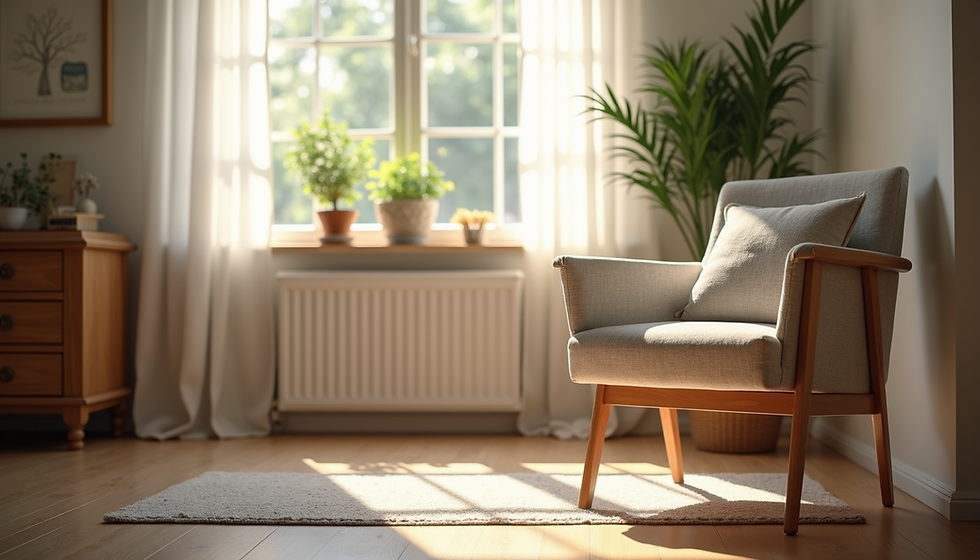
Physical space: Choose a quiet corner in your home with soft lighting, comfortable seating, and calming objects like pillows, blankets, or a favorite book.
Sensory items: Keep items nearby that soothe you, such as a stress ball, essential oils, or a weighted blanket.
Mental space: Practice visualization by imagining a peaceful place, like a beach, forest, or cozy cabin. Picture the details vividly and return to this mental refuge when anxiety arises.
Preparing this space ahead of time means you have a go-to place to retreat to when anxiety feels overwhelming. It’s a form of self-care that supports your emotional well-being.

Building Long-Term Resilience Through Lifestyle Choices
While immediate coping strategies are essential during an anxiety attack, building long-term resilience can reduce the frequency and intensity of these episodes. Small lifestyle changes can support your mental health and help you feel more balanced.
Consider incorporating these habits into your daily routine:
Regular physical activity: Exercise releases endorphins, which improve mood and reduce stress. Even a short walk can help.
Balanced nutrition: Eating a variety of whole foods supports brain health. Avoid excessive caffeine and sugar, which can trigger anxiety.
Consistent sleep schedule: Aim for 7-9 hours of restful sleep each night. Good sleep helps regulate emotions.
Mindfulness and meditation: Practicing mindfulness daily can increase your awareness and reduce anxiety over time.
Social connection: Spend time with supportive friends or family. Sharing your feelings can lighten your emotional load.
Professional support: Therapy or counseling can provide personalized tools and guidance for managing anxiety and trauma.
By nurturing your body and mind, you create a foundation that makes it easier to handle anxiety attacks when they occur.
Encouragement for Your Journey
Remember, managing anxiety is a process, and it’s okay to take small steps. You are not alone in this, and there are many ways to find relief and regain control. If you want to explore more about coping strategies for anxiety attacks, you can find helpful resources and support tailored to your needs.
Be patient with yourself and celebrate every moment of calm you create. With practice and kindness, you can navigate anxiety and move toward a more peaceful, empowered life.

Comments